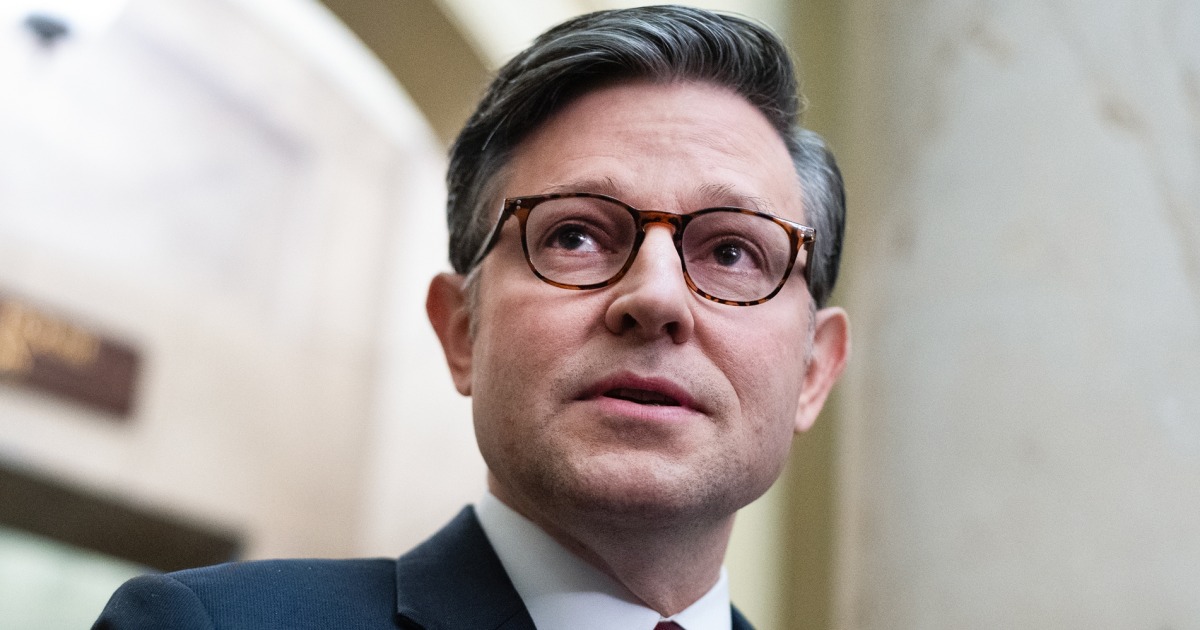
A day after Democrats secured the House majority, Speaker Mike Johnson informed his staff that he will not continue as the Republican leader in the upcoming Congress. His decision comes on the heels of significant losses for the House GOP, leaving a leadership vacuum that party members will move to fill in an internal election scheduled for November 10.
Johnson, a Louisiana Republican who rose from relative obscurity to take the speaker's gavel after Kevin McCarthy's removal in October 2023, won re-election to his seat. However, he is expected to step aside from top party leadership, joining a long line of former speakers who re-evaluated their roles after losing the chamber majority. It remains uncertain whether he will complete his full two-year term as a rank-and-file representative or leave the House early.
The Battle for Minority Leader
Johnson's departure leaves the role of House minority leader open, and contenders have already stepped forward to claim the party's top post in the chamber.
House Majority Leader Steve Scalise, the second-ranking Republican and a close ally of Johnson, plans to announce his candidacy for minority leader. Joining him in the race is House Judiciary Committee Chairman Jim Jordan of Ohio, a prominent conservative who underscored his experience in oversight and high-profile congressional battles.
In a letter to colleagues outlining his bid, Jordan emphasized his track record in facing off against Democrats on key legislative and investigative fronts.
"I know the Democrats’ playbook. I know what it will take to lead our Conference in the minority, to stay unified, and to coordinate and calibrate our response to the Democrats’ tactics. We need a Leadership team that is active and engaged, forward-thinking and straight-shooting."
Additional shifts in the leadership ladder are already emerging. Rep. August Pfluger of Texas, who chairs the Republican Study Committee, announced a bid for the minority whip position, setting up a challenge against Majority Whip Tom Emmer of Minnesota for the number two leadership spot.
Reactions and Political Legacy
Public reaction to Johnson’s decision highlights the contentious nature of his tenure as speaker. Some observers welcomed the transition, framing his departure as an inevitable outcome of a difficult legislative period.
"Stepping down after losing the House majority is standard politics taking accountability is essential"
Others reflected critically on the overall productivity of the House under his leadership, pointing to frequent legislative gridlock and intra-party tension.
"It's both no surprising and absolutely gauling that he lead the least productive Congress ever and went on national TV last night claiming they were the most productive congress ever."
As House Republicans prepare for their internal leadership elections on November 10, the party faces the immediate task of reorganizing its strategy for the minority, navigating internal divides, and confronting a newly empowered Democratic majority in the House.

