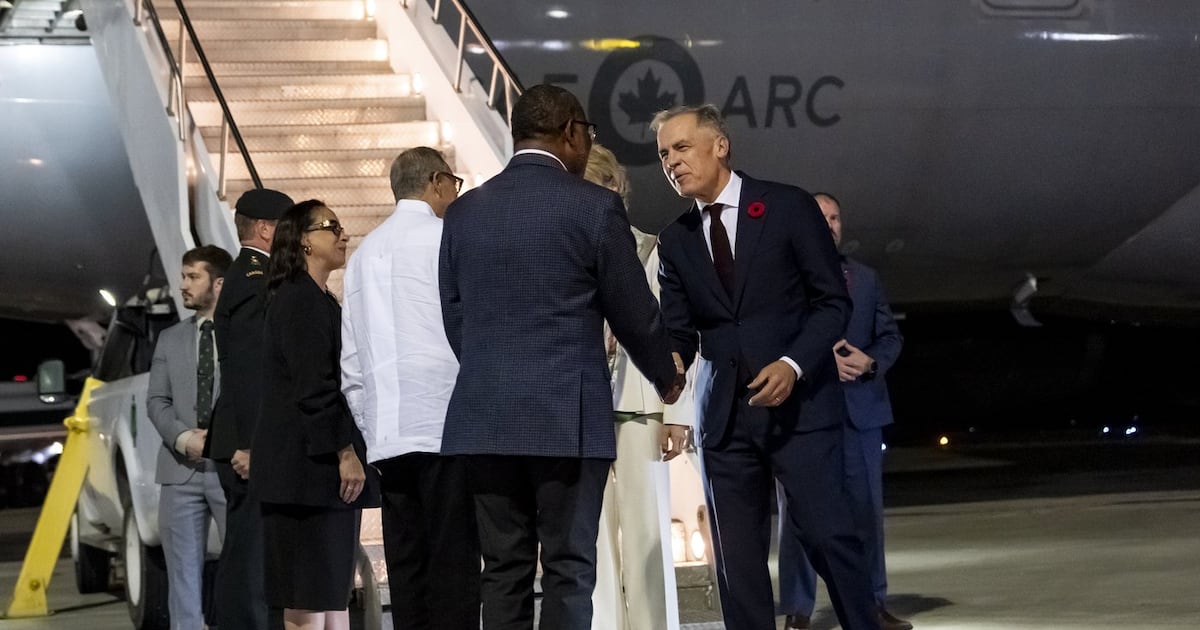
Canada is setting its sights on the Caribbean as part of a broader diplomatic and economic strategy to diversify its international trade partnerships. Amid shifting global trade dynamics and ongoing efforts to expand commercial ties beyond traditional boundaries, policymakers are exploring ways to forge closer collaborative frameworks with nations in the region.
While the United States remains Canada’s dominant trading partner, discussions around diversification often highlight the importance of cultivating multiple channels for commerce and cooperation. Proponents of closer ties point to potential opportunities in tourism, regional development, and specialized trade agreements that could benefit both Canadian firms and Caribbean economies. At the same time, observers note the scale of economic integration required to meaningfully offset reliance on larger markets, leading to varied perspectives on the practical impact of such regional initiatives.
Public discussion surrounding the announcement has also revived nostalgic references to past political proposals involving Canada and various Caribbean islands. Some observers recalled historical debates over closer institutional ties or political association with British overseas territories in the region, reflecting a long-standing popular fascination with the idea of a closer tropical connection. Commentators joked about the prospect, with one remarking, "Some of you aren't old enough to remember when the idea of the Turks and Caicos Islands joining Canada was floated," while another added, "I still support it. I'd love to have a "domestic" tropical destination to go to. Just make it formally part of PEI to get around the constitutional fuckery. Rename the province 'The Islands of Prince Edward, Turks, and Caicos.'"
Beyond the lighthearted historical callbacks, deeper debates continue over how Canada can best strengthen its economic independence. Some argue that true diversification requires fostering a more robust domestic industrial base and producing higher-value goods rather than relying primarily on raw material exports. As one participant observed, "We need to actually start creating value added products instead of insisting on exporting raw materials and letting other countries build stuff with them and generate wealth. We are like a medieval economy." Others emphasize that international commerce remains essential for a mid-sized economy, viewing regional partnerships as additive pieces of a larger global strategy rather than a wholesale replacement for continental trade.
Ultimately, whether these exploratory diplomatic moves translate into tangible commercial growth will depend on the willingness of domestic industries to leverage new agreements. For now, the outreach signals a continued desire by Ottawa to cast a wider net in international relations and establish resilient connections across the hemisphere.

